Arterial bleeding is a serious medical emergency that requires immediate action. Quick thinking and calm responses can help reduce blood loss and improve the chances of recovery before professional medical support arrives. Recognizing the warning signs and following simple first aid steps can make a meaningful difference during critical moments.
Recognize the Signs of Arterial Bleeding
Understanding how arterial bleeding appears is the first step toward proper action. Common signs include:
- Bright red blood flowing rapidly from a wound
- Blood spurting in rhythm with the heartbeat
- Large amounts of blood loss within a short time
- Weakness, dizziness, or confusion in the injured person
- Pale skin and rapid breathing
Identifying these symptoms early allows faster response and better control of the situation.
Stay Calm and Act Quickly
Remaining calm helps you think clearly and respond effectively. Panic can delay important actions, so focus on immediate safety and support.
Important First Steps
- Ensure the area is safe before approaching
- Call emergency medical services immediately
- Reassure the injured person with calm communication
- Wear protective gloves if available
- Position the person comfortably to avoid further injury
A steady and confident response can help keep the injured person calm as well.
Apply Direct Pressure Immediately
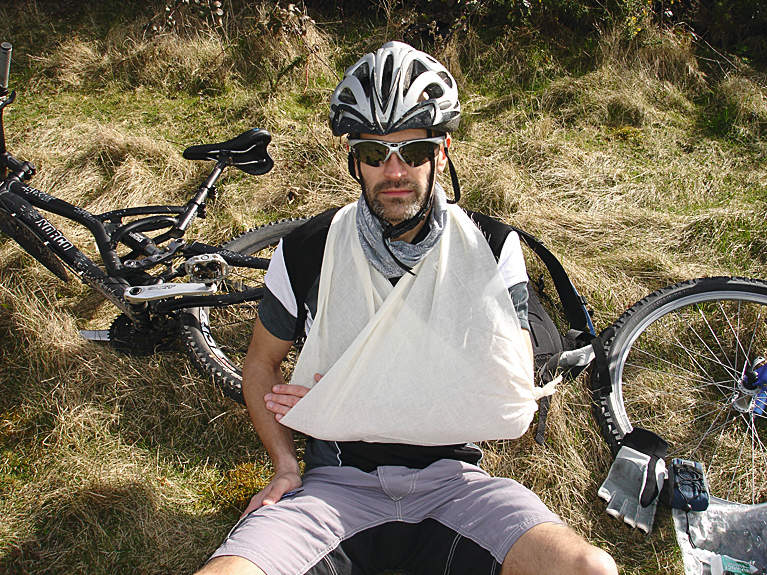
Direct pressure is one of the most effective ways to slow arterial bleeding.
How to Apply Pressure Correctly
- Use a clean cloth, bandage, or fabric
- Press firmly over the wound using both hands if necessary
- Maintain steady pressure without repeatedly checking the wound
- Add extra layers of cloth if blood soaks through
- Continue pressure until professional help arrives
Consistent pressure encourages clot formation and reduces heavy blood flow.
Elevate the Injured Area If Possible
If the injury involves an arm or leg and there is no sign of broken bones, gently raise the injured area above heart level.
Benefits of Elevation
- Helps slow blood circulation to the wound
- Reduces overall blood loss
- Supports the effectiveness of direct pressure
- Provides additional control during emergency care
Always move the injured limb carefully to avoid causing more pain or damage.
Monitor the Person Closely
Arterial bleeding can lead to shock if blood loss becomes severe. Watching for changes in the person’s condition is extremely important.
Warning Signs to Watch For
- Cold or clammy skin
- Fainting or loss of alertness
- Weak pulse
- Rapid heartbeat
- Difficulty breathing
Keep the person warm with a blanket or jacket and encourage slow breathing while waiting for medical assistance.
Avoid Common Mistakes
Certain actions can make the situation worse. Staying informed helps prevent unnecessary complications.
Actions to Avoid
- Do not remove deeply embedded objects from the wound
- Do not apply unnecessary pressure around broken bones
- Do not give food or drinks to the injured person
- Do not stop pressure too early
- Do not leave the person alone during the emergency
Simple precautions can improve comfort and increase safety until advanced care becomes available.
Prepare Yourself with Basic First Aid Knowledge
Learning emergency bleeding control techniques can build confidence and improve response time during arterial bleeding unexpected situations. Practicing first aid skills and understanding emergency procedures can help people react faster, stay organized, and provide valuable support when every second matters.