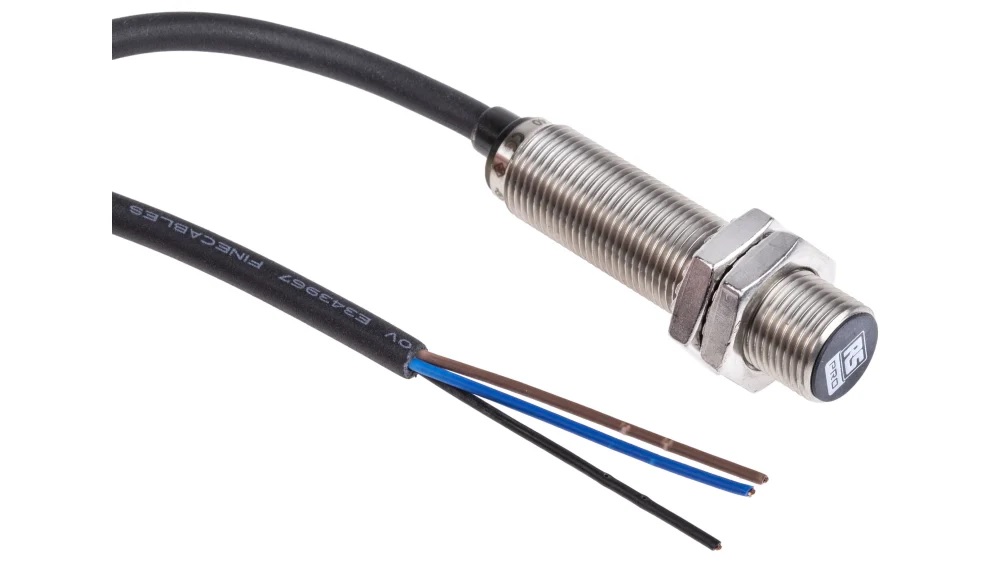
In the era of advanced manufacturing, high-speed automation has become a cornerstone of operational efficiency. Accurate measurement and detection are crucial to maintaining productivity, and this is where proximity sensor testing plays a pivotal role. Conducting regular and precise proximity sensor tests ensures that automated systems operate with the highest levels of accuracy and reliability.
Enhancing Accuracy in Fast-Paced Environments
High-speed automation processes demand rapid response times and flawless measurements. Proximity sensor tests provide:
- Reliable object detection: Ensuring that moving components are precisely located at every stage of production.
- Reduced measurement errors: Minimizing deviations that could affect product quality or system performance.
- Consistent performance: Guaranteeing that sensors respond accurately even under high-speed conditions.
By verifying sensor responsiveness and detection range, technicians can prevent costly misalignments and maintain the integrity of automated operations. Professionals rely on how to check proximity sensor daily.
Promoting Operational Efficiency
Accurate proximity measurements directly influence the speed and efficiency of automation processes:
- Optimized workflow: Smooth sensor operation allows machinery to maintain peak throughput without unnecessary stops.
- Minimized downtime: Detecting and correcting sensor issues proactively reduces unexpected halts in production.
- Streamlined calibration: Sensors remain correctly aligned with automated components, supporting precise process execution.
Regular testing empowers teams to maintain continuous production, even in high-pressure manufacturing environments.
Supporting Quality Assurance and Product Consistency
High-speed automation requires precise control to meet stringent quality standards. Proximity sensor testing contributes by:
- Ensuring product uniformity: Accurate measurements prevent defects caused by misaligned or improperly detected components.
- Verifying system accuracy: Confirms that sensors are correctly calibrated to handle rapid movements.
- Maintaining compliance: Supports adherence to internal quality protocols and industry standards.
With precise sensor performance, manufacturers can consistently deliver high-quality products while minimizing waste.
Enabling Predictive Maintenance and Longevity
Beyond immediate measurement benefits, regular proximity sensor tests support the long-term health of automation systems:
- Early fault detection: Identifies sensor wear or misalignment before they escalate into major failures.
- Prolonged equipment life: Properly functioning sensors reduce strain on mechanical components.
- Cost-effective maintenance: Prevents expensive repairs through timely adjustments and inspections.
Predictive maintenance strategies built around tested sensors ensure both operational stability and sustainability.
Conclusion
Proximity sensor testing is an essential practice in high-speed automation, driving precise measurements, operational efficiency, and product quality. By routinely verifying sensor functionality, manufacturers can achieve smoother workflows, reduce downtime, and enhance system longevity. In today’s competitive landscape, mastering proximity sensor testing ensures that automation processes perform at their highest potential, fostering both productivity and excellence.