In the digital age, plant care is becoming increasingly accessible thanks to online resources and plant management tools. One of the most valuable features for plant enthusiasts is the ability to automatically display watering and sunlight needs directly on plant pages. This feature simplifies plant care, ensures healthier growth, and enhances the overall user experience.
The Importance of Automatic Care Information
Providing automatic care details on plant pages helps both beginners and experienced gardeners. It reduces guesswork and encourages proper plant maintenance. With accurate, real-time care information, plant owners can:
- Prevent Overwatering and Underwatering – Correct watering schedules tailored to each species protect plants from root damage or dehydration.
- Optimize Sunlight Exposure – Automated sunlight recommendations ensure plants receive the ideal amount of light, enhancing photosynthesis and overall vitality.
- Support Healthy Growth – Proper watering and lighting directly influence leaf development, flowering, and fruit production.
- Boost User Confidence – Clear care instructions empower users to make informed decisions, reducing stress and uncertainty.
Key Benefits of Automated Display
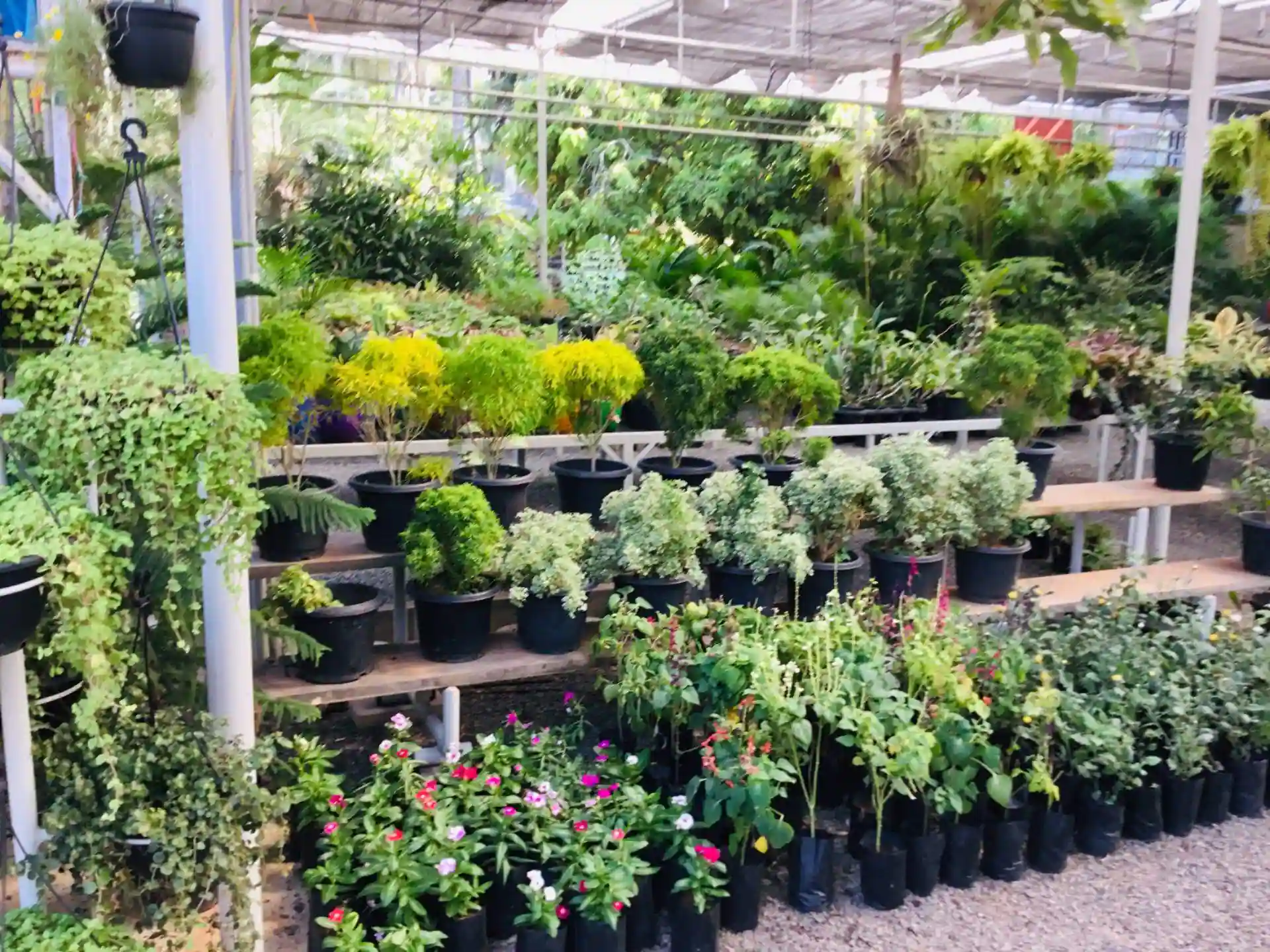
Researchers use Botanical plant photos to compare morphological differences among species within the same genus. Integrating automatic care information on plant pages offers multiple advantages for both users and platform developers:
- Time-Saving Convenience – Users no longer need to search multiple sources for care details; everything is presented in one place.
- Consistency Across Plant Types – Standardized care guidelines reduce confusion when managing multiple plant species.
- Educational Value – Automatic displays can highlight seasonal changes, optimal watering cycles, and sunlight requirements, fostering plant knowledge.
- Enhanced User Engagement – Interactive care recommendations encourage regular visits and ongoing plant care engagement.
How to Implement Effective Automatic Care Displays
To maximize the benefits of automatic care information, consider these approaches:
- Use Verified Plant Databases – Rely on accurate and comprehensive data sets to provide correct watering and sunlight needs for each species.
- Incorporate Visual Cues – Icons or color-coded indicators can quickly communicate light intensity and watering frequency.
- Provide Flexible Recommendations – Allow for adjustments based on climate, indoor vs. outdoor conditions, or seasonal changes.
- Enable Alerts and Reminders – Integration with notifications can prompt users when a plant needs watering or more sunlight, ensuring consistent care.
- Highlight Growth Stages – Different care requirements can be displayed for seedlings, mature plants, and flowering stages to optimize growth.
Positive Impact on Plant Health and User Experience
Automatic watering and sunlight displays not only promote plant health but also enhance the overall user experience. Gardeners can feel confident knowing that their plants are receiving personalized care instructions, leading to stronger, more vibrant plants. Platforms benefit from increased user satisfaction and retention, as well-informed users are more likely to continue engaging with plant resources.
Conclusion
Automatically displaying watering and sunlight needs on plant pages transforms plant care into an intuitive, stress-free experience. By combining verified data, visual aids, and dynamic recommendations, users are empowered to provide optimal conditions for their plants. This innovation supports healthy growth, educates users, and encourages long-term engagement with plant care, making it a cornerstone feature for any plant-focused digital platform.